9 month old sleep schedule: Bedtime and nap schedule
Updated Jan 27, 2022


If your baby is experiencing the (also known as the 8 month sleep regression), predictable sleep patterns might be a bit trickier than you’re used to this month. We recommend continuing to prioritize naps and early bedtimes in order to help them sleep as well as they can during this time.
Hang in there -- this is an important period of typical baby development and a temporary phase!
IN THIS ARTICLE:
How much should a 9 month old sleep?
At 9 months of age, we’ll continue to aim for at least 14 hours of total sleep over a 24-hour period. That’s 11 - 12 hours at night and 2 - 3 hours during the day over 2 naps. Most children need 2.75 - 3.5 hours of awake time in between sleep periods at this age.
[Note: for children who were born early, we go by their adjusted age for sleep development.]
Top sleep tip for 9 month olds
You aren’t alone if your baby is sitting, standing and/or cruising in their crib when they should be sleeping. Yes, it can be frustrating to see your baby play when they should be sleeping, but don’t repeatedly intervene. That can backfire, and lead to even more sleep issues! Instead, give them the opportunity to explore and wind down on their own. Resettle your baby every 10 - 15 minutes or so until they’re ready for sleep.
Sleep fact for 9 month old babies
Babies will often start to protest more during their bedtime routine at this age. We recommend offering more comfort as needed, but aim to follow through with the healthy sleep habits that you’ve already established. This will help you maintain long term progress.
Sample 9 month old sleep schedule
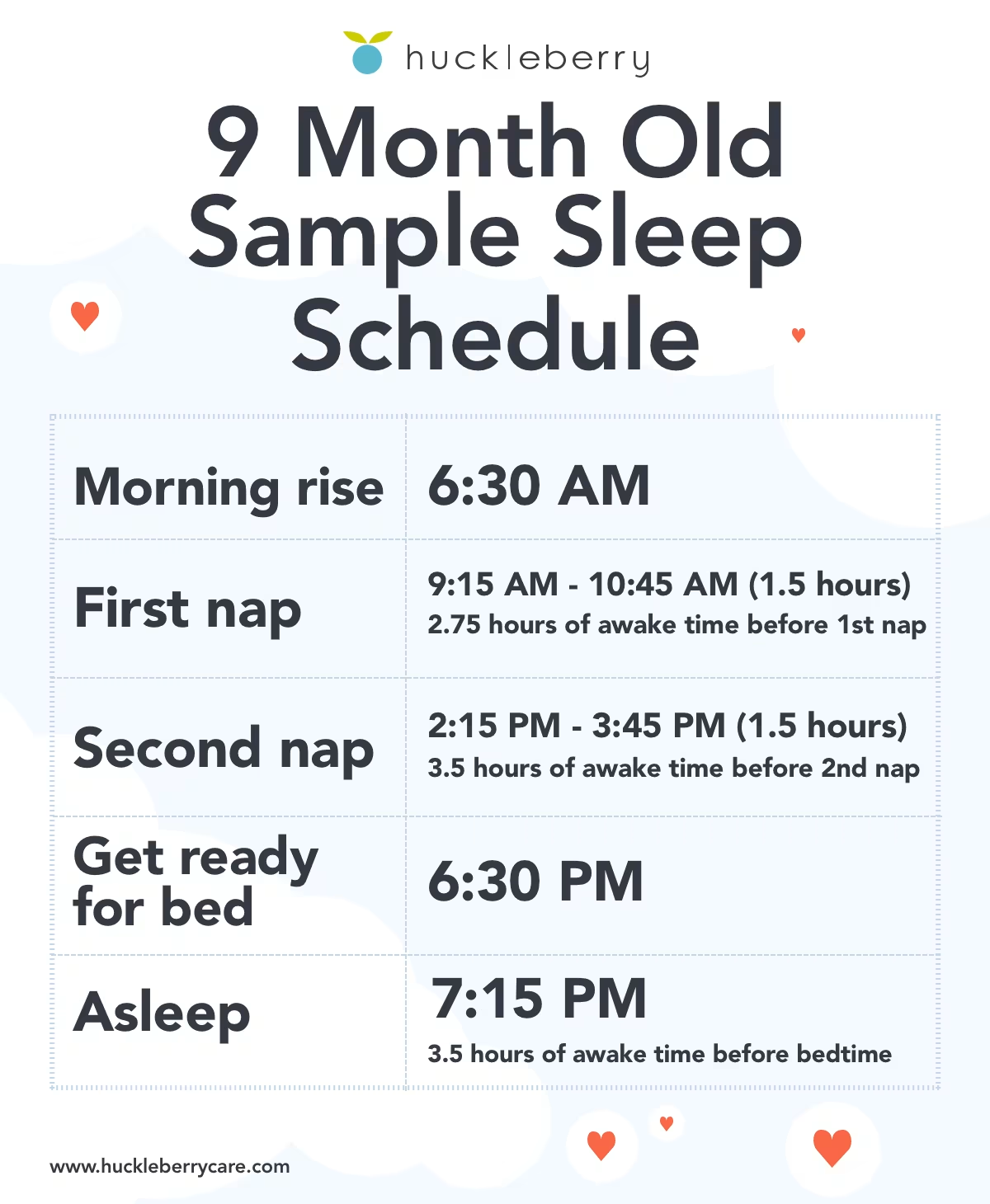
Note: Sleep needs vary by child and this chart should be viewed as an example.
Naptime schedule for a 9 month old

How long should a 9 month old nap?
Ideally, your baby will be taking two naps for a total of 2 - 3 hours of day sleep. Each nap should be at least 60 minutes long.
How many naps for a 9 month old?
Most babies will be ready to drop their third nap by 9 months old, and be ready for a 2-nap schedule with an earlier bedtime. If your baby is still taking three naps a day, they’ll likely transition to two naps over the next month. Signs that a baby is ready to drop a nap include: shorter naps, resisting one of the naps (particularly the last one), and/or consistently sleeping less than 10 hours a night.
Here’s what a typical day may look like at this age:
2-nap schedule
Bedtime for a 9 month old
What time should a 9 month old go to bed?
A typical bedtime at this age is 12 - 13 hours after waking in the morning. For example, if your baby wakes around 7:00 AM, then you’ll want to target a 7:00 PM - 8:00 PM bedtime. While some babies do well with a consistent “by the clock” bedtime (e.g. aiming for a 7:30 PM bedtime each night), other babies will continue to sleep better if their bedtime is determined according to their last wake window.
If your baby tends to get overtired easily and wakes more often at night when their wake windows are pushed too far, set bedtime for no more than 3.5 hours after the second nap. Resist making bedtime earlier than 6:00 PM, as that can lead to early rising issues.
Related Articles:
Share article:
Note: The content on this site is for informational purposes only and should not replace medical advice from your doctor, pediatrician, or medical professional. If you have questions or concerns, you should contact a medical professional.
Share article:


