Purees: A complete guide to first foods
Updated Oct 22, 2021


For many parents, when they think about baby food, they're thinking purees. Purees are often the first foods served to babies and now there are more options than ever when it comes to purees. Store-bought, homemade, or home delivery, when it comes to purees every family is sure to be able to find a plan that works for them.
IN THIS ARTICLE:
What are purees?
Purees are foods with a smooth, soft texture and, according to the , are traditionally served as babies start solids. You can make a puree out of just about anything, but oftentimes they are made of fruits, vegetables, meats or whole grains. Purees can be purchased at the grocery store or made at home in a variety of textures and flavors to meet your family’s needs.
When to start purees?
Most babies are ready to start solids around 6 months once they meet all the following signs of readiness:
Able to sit up independently with good head and neck control
Loss of tongue thrust reflex
Brings toys or other objects to their mouth
Shows an interest in table foods
Around 9 months, most babies should transition to soft table foods to continue developing their feeding skills and to help avoid difficulties down the road.

How to start purees
Starting purees is exciting, but can feel a bit daunting too. After you’ve assessed your baby’s signs of readiness, follow the steps below to make the transition smoother.
Begin slowly
Introducing solid food is a gradual process and the majority of your baby’s nutrition will still come from breastmilk or formula until they are one year old. Begin by serving one solid meal a day, increasing the number of meals and amount of food given slowly.
Set up a safe place for mealtime
Make sure your baby is seated upright in a highchair for all meals to reduce the risk of choking. Create a space where you can easily watch them and remember to never leave them alone while they are eating.
Learn hunger and fullness cues
Even though your baby can’t talk yet, they can still let you know when they are hungry for more food and when they are full. A hungry baby will open their mouth as the spoon approaches and show interest in the meal. A full baby will keep their mouth closed or turn their head when the spoon approaches and seem distracted or uninterested in the meal. Do your best to follow their cues instead of simply feeding them the whole container of food in order to avoid feeding issues later on.
Advance textures appropriately
Did you know purees come in different textures? Once your baby masters completely smooth purees, it’s time to advance them to a purees with lumps and mashed foods. Continuously advancing textures helps your baby develop the skills they need to eat table foods which is the ultimate goal of weaning!
Top 5 benefits of purees
1. Convenient and plentiful food options
The baby food options are practically endless! Grocery stores are stocked with a variety of food blends and textures, and there are even some companies that will deliver right to your door. All these options are ready-to-serve which can be nice for busy days. You can also make homemade baby food which takes a little more time, but it allows you to completely choose what’s in the food.
2. Easily track how much baby is eating
Watching for your baby’s hunger and fullness cues are the best indicators to judge how much your baby should be eating. However, many parents feel more at ease when they can quantify the amount. Labels on baby food paired with spoon feeding make it relatively easy to keep track.
3. Safely serve high-priority nutrient foods
Foods rich in iron, zinc and protein should be prioritized as your baby begins to eat solids. Some of the best sources of these nutrients are animal foods such as meat, eggs and fish. These foods can be difficult for young babies to chew, but serving them in a puree form is safe and much easier.
4. Less mess and food waste than other weaning methods
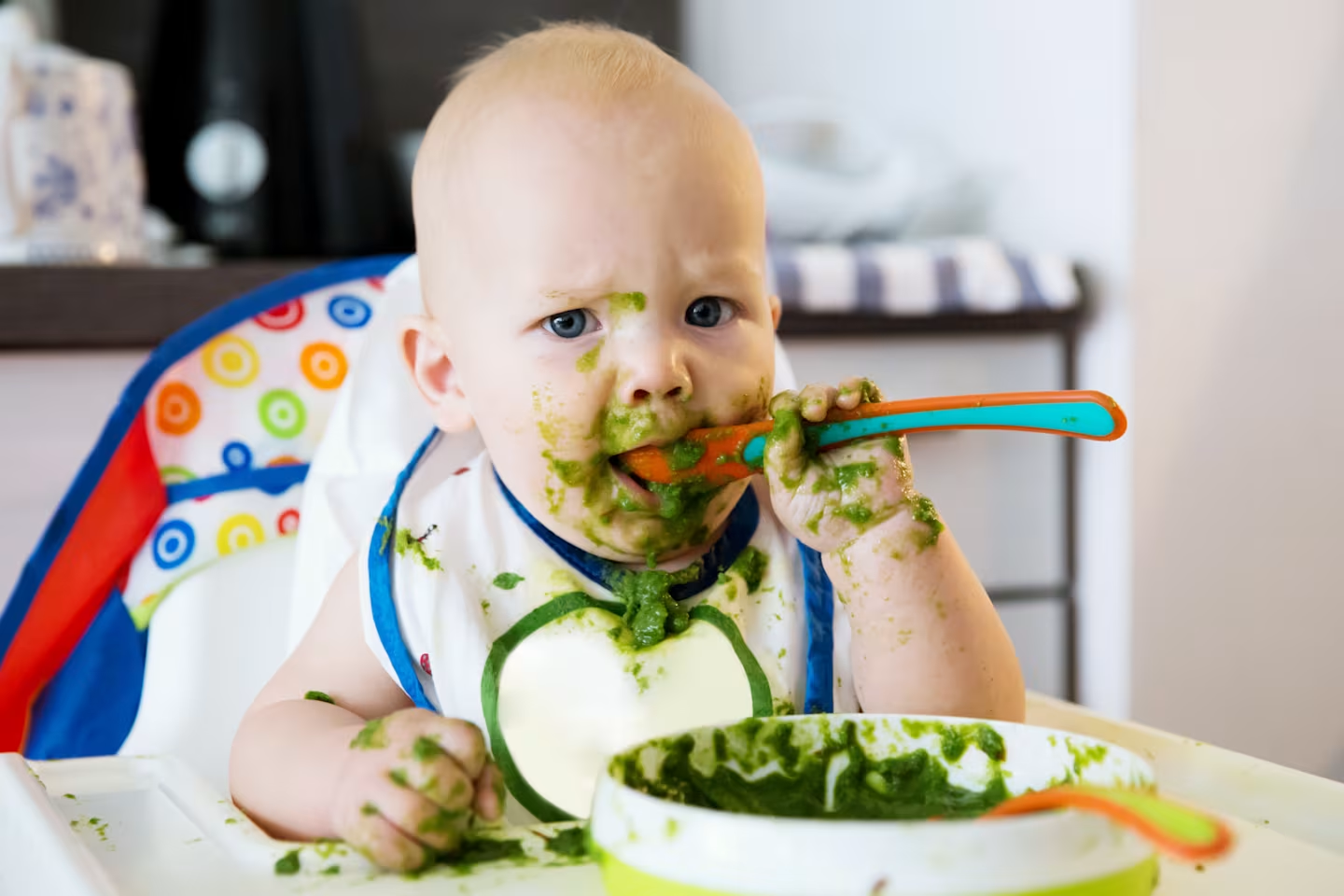
No matter how you do it -- learning to eat is messy and food tends to get everywhere! Babies are still developing the coordination and strength to get food into their mouth, and they love to play with their food. However, using purees and spoon feeding at the beginning may help eliminate some of the mess and food waste.
5. More support from family members or caregivers
Feeding purees is a well-understood way to feed your baby. In fact, it’s likely how your parents fed you, so if you are looking for help and support from grandparents you’ll be in luck! Additionally, many childcare providers prefer serving purees and following the same feeding method can be easier for some parents.
Are there any risks with purees?
Baby may get ‘stuck’ on a texture
Many parents don’t realize that feeding purees makes up a relatively short period of time. By 9 months of age, most babies should be transitioned over to soft table food. Continuously advancing textures helps to ensure your baby doesn’t get stuck on one texture as well as helps to later on.
Potential heavy metal exposure
Reports of heavy metals in baby food are unfortunately not new. While it can be scary to read this type of news as a parent, there are steps you can take to reduce exposure. Some crops, such as rice and root vegetables, naturally contain heavy metals found in the soil they were grown in, meaning we can’t completely avoid them. To reduce exposure, lower the use of rice products if possible and offer your baby a variety of foods.
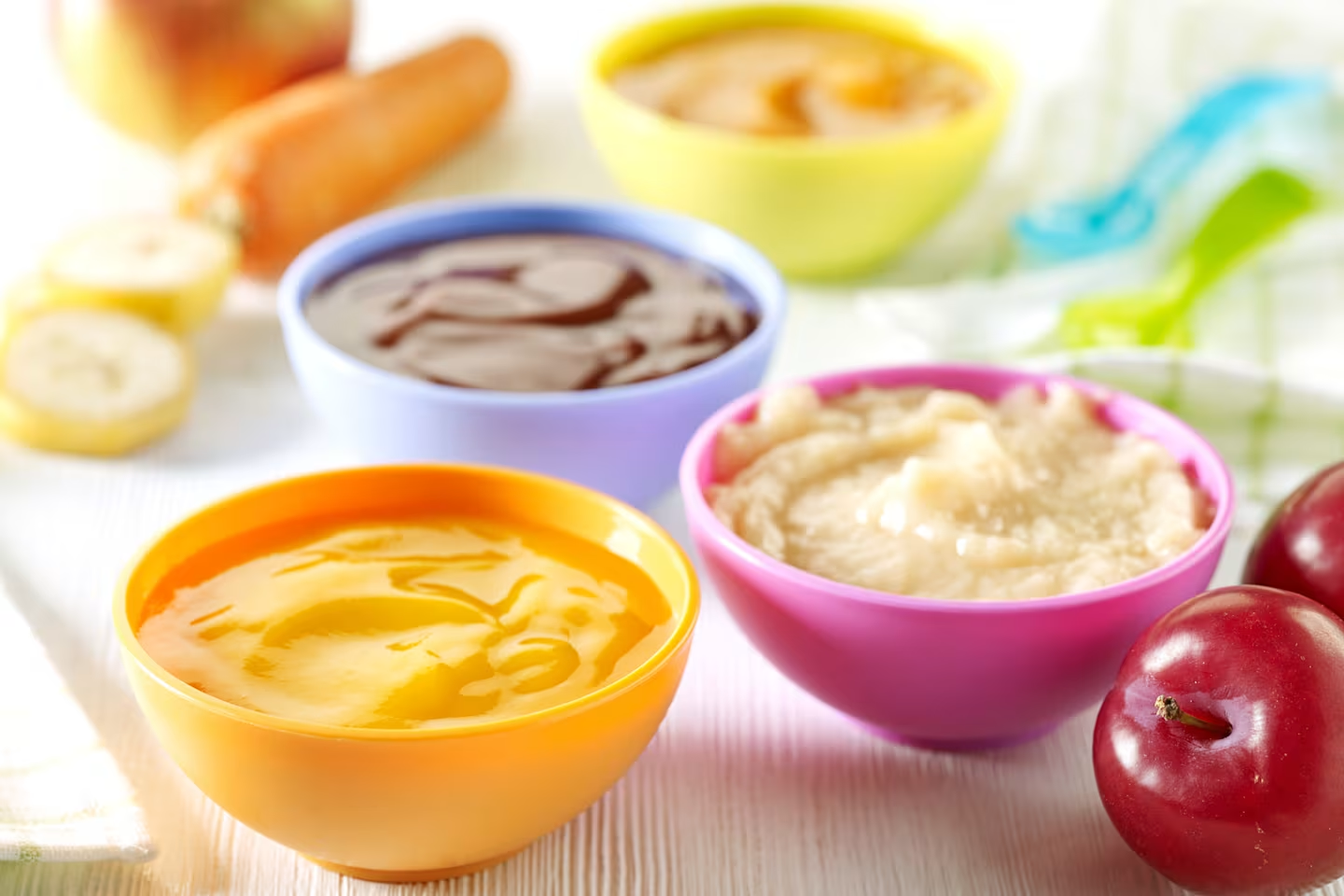
Best puree foods: Top purees to start for baby
Fruit and vegetable purees tend to be the most popular, but babies need a variety of different foods even when they are just starting solids. While the majority of nutrition will still come from breastmilk or formula, solids should provide additional sources of iron, protein and healthy fats.
Iron-rich foods
Iron’s main job is to carry oxygen throughout the body, and this is especially important during times of rapid growth such as infancy. In fact, iron needs are highest at this stage of life. Look for or make purees containing the following foods to help meet your baby’s iron needs.
Meat (beef, pork)
Poultry (chicken, turkey)
Eggs
Beans
Lentils
Tofu
Fortified breakfast cereal
Protein-rich foods
Protein also supports the rapid growth and development that happens during infancy. It helps to build muscle and other body tissues, form enzymes that facilitate important functions in the body such as digestion and supports the immune system. Look for or make purees containing the following foods to help meet your baby’s protein needs.
Meat (beef, pork)
Poultry (chicken, turkey)
Fish
Beans
Lentils
Tofu
Cheese
Yogurt
Nut butter (mix thinly into other purees)
Whole grains
Fat-rich foods
Fat provides much needed energy for babies and supports healthy growth and development of the brain and central nervous system. Certain types of fats, such as omega-3 fatty acids, are essential meaning they can only be gotten through food and not made in the body. Look for or make purees containing the following foods to help meet your baby’s fat needs.
Avocado
Fish
Full-fat yogurt
Olive oil
Butter
Nut butter (always mix thinly to reduce choking risk)
Chia seeds
Ground flaxseeds
Fruits & vegetables
Fruits and vegetables are great foods to introduce to your baby, of course! They provide important vitamins and minerals and introduce babies to a wide range of flavors which may help them accept more foods later on.
Carrots
Broccoli
Butternut squash
Cauliflower
Cucumbers
Zucchini
Tomatoes
Sweet potatoes
Potatoes
Pumpkin
Plums
Peaches
Apples
Kiwi
Avocado
Banana
Raspberries
Blueberries
Strawberries
Pears
Grapes
Cantaloupe
Watermelon
Cherries
Mango
Printable baby food charts for purees
The charts below serve as a reference and starting point for starting your baby on purees. Feel empowered to switch them up to find what works for your family! Remember to take it slow and to advance textures as your baby masters them.
6 month puree food chart
At 6 months, your baby should be eating about 1 solid food meal a day. Food should be purchased or blended into a smooth puree. You can spoon-feed your baby, offer them a preloaded spoon or do a mixture of both.
7 month puree food chart
At 7 months, your baby should be eating about 1-2 solid food meals a day. Food should be purchased or blended into a lumpy puree. You can spoon-feed your baby, offer them a preloaded spoon or do a mixture of both.
8 month puree food chart
At 8 months, your baby should be eating about 1-2 solid food meals a day. Food should be a mashed texture with small pieces of food. You can spoon feed your baby, offer them a pre-loaded spoon or do a mixture of both. Around this age, many babies will have developed their pincer grasp and may be interested in self-feeding small pieces of food. You can offer small pieces of table food as you feel comfortable.
9+ month puree food chart
At 9 months, your baby should be eating about 2-3 solid food meals a day. Now is the time to start offering baby soft table foods if you haven’t already. Babies at this age need to start self-feeding and eating soft table foods in order to develop proper feeding skills and oral muscle development.
Note: Sometimes babies start eating less with this change. Resist the urge to revert back to all purees. It will take time for them to learn and explore food.
Share article:
Note: The content on this site is for informational purposes only and should not replace medical advice from your doctor, pediatrician, or medical professional. If you have questions or concerns, you should contact a medical professional.
Share article:


