23 month old sleep schedule: Bedtime and nap schedule
Updated Nov 30, 2021


It’s common for 23 month olds to resist falling asleep at bedtime. This is often due to a combination of needing a longer wake window before bed, coupled with independence-seeking behaviors.
If you find that your 23 month old would prefer to throw everything out of their crib instead of laying down to sleep, take comfort in knowing that the behavior is developmentally appropriate. (It's also understandably frustrating!) This desire for independence is a natural part of baby development and allows your child to practice problem-solving skills. Ensuring your child is well-rested will help them have the patience and energy to succeed.
IN THIS ARTICLE
How much should a 23 month old sleep?
At 23 months old, aim for at least 12.5 hours of total sleep per day (about 11 hours at night and 1.5 - 2 hours of day sleep in 1 nap). Most children need 5.25 - 5.75 hours of awake time in between sleep periods at this age.
[Note: for children who were born early, we go by their adjusted age for sleep development.]
Top sleep tip for 23 month olds
Try describing your sleep routine for toddlers in terms of “first, next, last,” in order to help set limits at bedtime. For example, you might say, “First we’ll brush your teeth, then we’ll change into pajamas, and last, we’ll read a book before I kiss you goodnight.” When your child knows what to expect during their routine, it can help cut down on .
Sleep fact for 23 month old babies
Toddlers this age love to test limits and are able to stay awake for longer periods, making it likely that they’ll skip naps here and there. Since most children will need to continue to nap until at least 3 years old, it’s important to continue to offer the nap daily.
If your child is fighting naptime, continue offering them quiet time in their crib or sleep space every day. At its best, it’s giving them time to rest and recharge, and hopefully, they manage to fall asleep. At its worst, it’s good for them to develop their independent play habits, and can provide a much-needed break for you!
Sample 23 month old sleep schedule
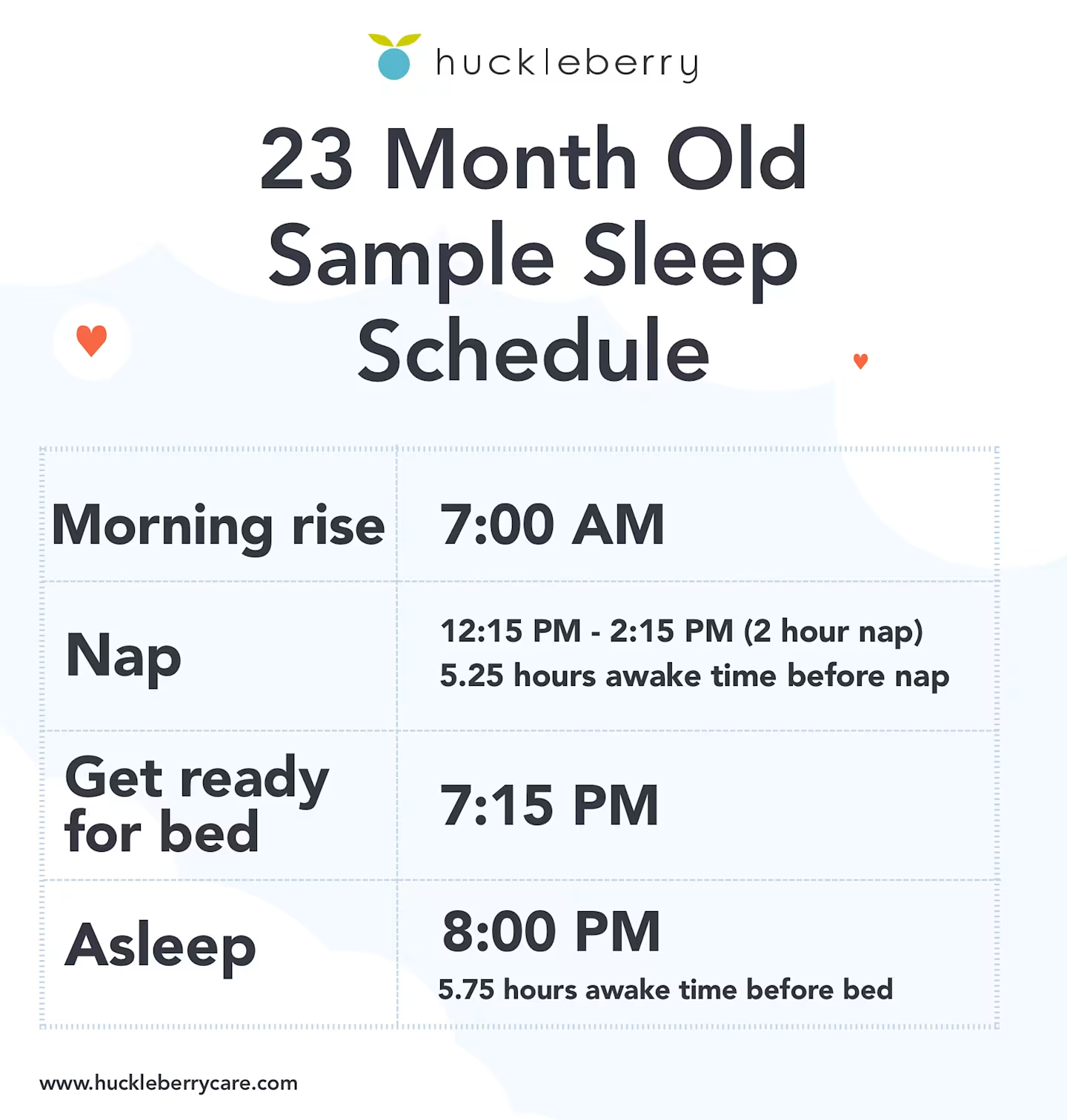
Note: Sleep needs vary by child and this chart should be viewed as an example.
Naptime schedule for a 23 month old
23 month olds should still be napping once a day. At this age, 5.25 hours of awake time before a nap is ideal.
How long should a 23 month old nap?
A 23 month old’s nap schedule should allow for about 1.5 - 2 hours of day sleep. Expect your toddler to take 1 nap per day. Most toddlers need between 5.25 - 5.75 hours of awake time in between sleep periods at this age.
How many naps for a 23 month old?
Target 1 midday nap, typically 5.25 hours after waking in the morning. Be sure to offer lunch before the nap, to help ensure that your toddler doesn’t wake early from hunger.
1-nap schedule
1-nap schedule with short nap/early bedtime

Bedtime for a 23 month old
Ideally, your 23 month old will be getting around 11 hours of sleep at night, so bedtime should be about 13 hours after waking in the morning, as long as your child naps well. If your toddler takes a short nap, offer an earlier bedtime to limit overtiredness, which often leads to shortened nighttime sleep, and can start the cycle all over again.
Toddlers often take longer to settle down at bedtime - their busy little minds (and hands, and feet…) can take a while to start to quiet. It can be a good idea to lengthen your pre-bedtime sleep routine by 10 - 15 minutes if you find that your toddler is taking a long time to fall asleep. Try reading another book, or quietly working on a puzzle together to give them the additional time needed to help wind down before bed.
What time should a 23 month old go to bed?
Ideally, your 23 month old will be getting around 11 hours of sleep at night, so bedtime should be about 13 hours after waking in the morning (as long as your child naps well). If your toddler takes a short nap, offer an earlier bedtime to limit overtiredness, which often leads to shortened nighttime sleep, and can start the cycle all over again.
Toddlers often take longer to settle down at bedtime - their busy little minds (and hands, and feet…) can take a while to start to quiet. It can be a good idea to lengthen your pre-bedtime sleep routine by 10 - 15 minutes if you find that your toddler is taking a long time to fall asleep. Try reading another book, or quietly working on a puzzle together to give them the additional time needed to help wind down before bed.
Share article:
Note: The content on this site is for informational purposes only and should not replace medical advice from your doctor, pediatrician, or medical professional. If you have questions or concerns, you should contact a medical professional.
Share article:


