Can white noise help babies sleep?
Updated Feb 08, 2022
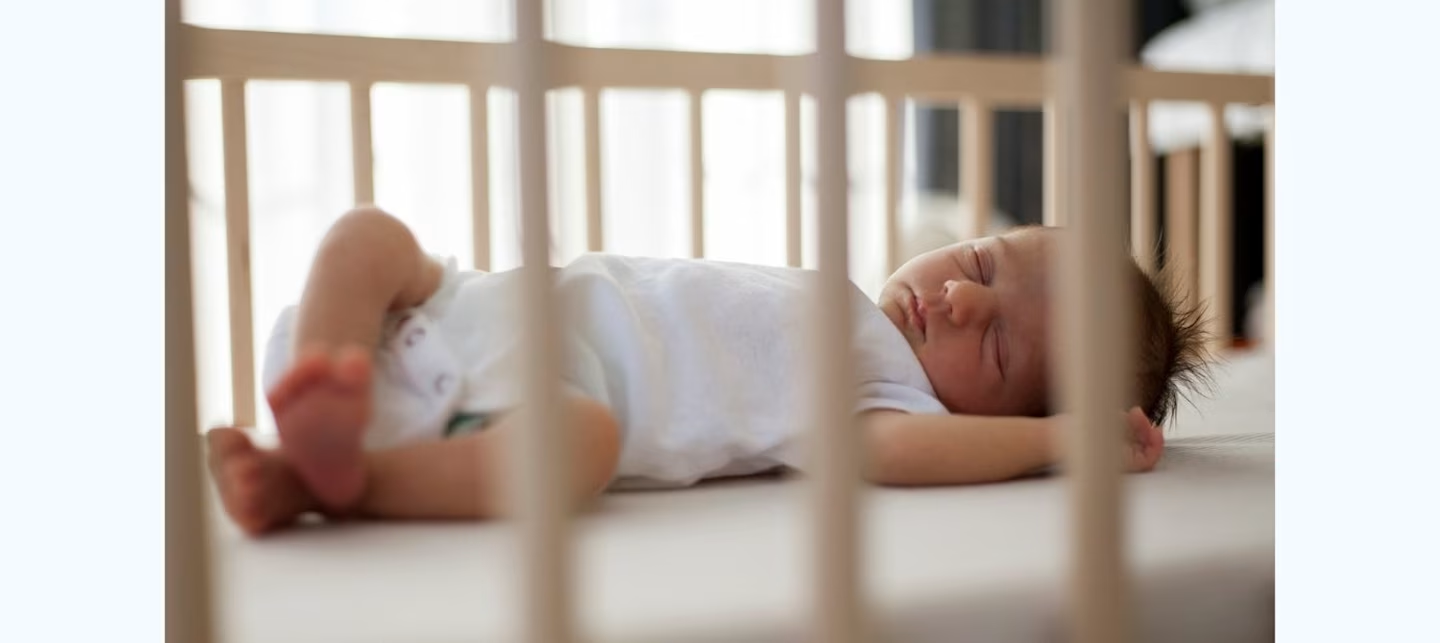

When your baby isn’t sleeping well, you're likely to receive all sorts of advice. Some of the input you get can sound a little far-fetched or controversial, depending on whom you ask.
Meanwhile, as a new parent, all you really want to know is what actually works — and whether it’s safe.
White noise is one of those suggestions that caregivers are sometimes a bit apprehensive about or aren’t quite sure how to use. Here's what you should know so you can decide for yourself (and your little one).
IN THIS ARTICLE:
What is white noise?
White noise refers to any noise containing many frequencies with equal intensities. Simply put, it’s noise that doesn’t have any pattern to it and is composed of all the sounds the human ear is capable of hearing.
White noise may help some adults and children — and babies!— fall asleep faster and stay asleep longer. In addition to white noise machines marketed specifically to improve sleep, there are numerous white noise apps available and even entire YouTube channels dedicated to white noise.
At what age is it best to start?
It's never too early to start using white noise to help your baby sleep through the night or take good naps. White noise can really make a difference in how well your little one sleeps, especially if they struggle to stay asleep for more than 30 minutes.
When should you stop using white noise?
There aren't any definite time limits on how long you should use white noise to help your child sleep. Instead, when to stop using white noise for baby is a decision left up to caregivers, or in some cases, the child.
Some people aim to stop using white noise by the time their child is 2 years old. Others continue to use it until their child is 3 - 4 years old and is able to decide for themselves if they want it playing while they sleep. Plenty of older kids and adults sleep better with it, too.
How does white noise help soothe a baby?
When asked if white noise is good for babies, pediatric sleep experts often respond with a resounding yes! But exactly how does this work?
According to older , life inside the uterus is quite loud, with noise levels being close to that of a lawnmower (about 90 decibels). Perhaps this is why fussy babies respond to the more intense rumbling sounds, lower tones, and sounds associated with white noise.
White noise mimics womb sounds, such as your heartbeat and digestive noises, and creates a soothing, comfortable, and familiar environment where babies feel protected and calm.
The continuous sounds also help to drown out loud or unexpected noises that can be stimulating to babies or wake them up from their sleep. As part of a pre-sleep routine, white noise can also act as a cue for sleep. With soothing sounds creating a cocoon of sorts, your baby may be more likely to fall asleep faster and to sleep longer.
White noise vs pink noise
When thinking about white noise, we generally think of unrecognizable sounds of static on a TV or radio. The sound of a lawnmower, car engine, vacuum, or hair dryer are also examples of white noise.
Pink noise can be found in nature — running water, rain falling, wind blowing, leaves rustling, waves crashing — and has less varying frequencies than white noise. Many sound machines have options for both white noise and pink noise.
White noise may do a better job of drowning out jarring or very loud noises such as doors slamming, fireworks, and thunder. White noise also more closely resembles what babies hear in the womb. Pink noise works well for masking more subtle noise or continuous sounds such as people talking or the TV playing in another room.
So which is better for babies, white noise or pink noise? While researchers are considering how pink noise may improve cognitive ability and memory when used for adult sleep, more study is needed when it comes to its benefits for babies. Meanwhile, show that white noise may decrease the duration of fussiness and increase the duration of sleep.
Is white noise safe for babies?
All this sounds like a win-win, but can white noise hurt baby hearing?
White noise isn't inherently dangerous or bad, but many people wonder about white noise volume being too loud or too close and potentially damaging babies’ ears. In 2014 the tested 14 white noise machines designed for infants and found that all of the machines at maximum output exceeded hospital-recommended noise levels.
As a result of this study, the AAP released its own recommendations for how close white noise machines should be to a child’s sleep space and what it considered safe decibel levels.
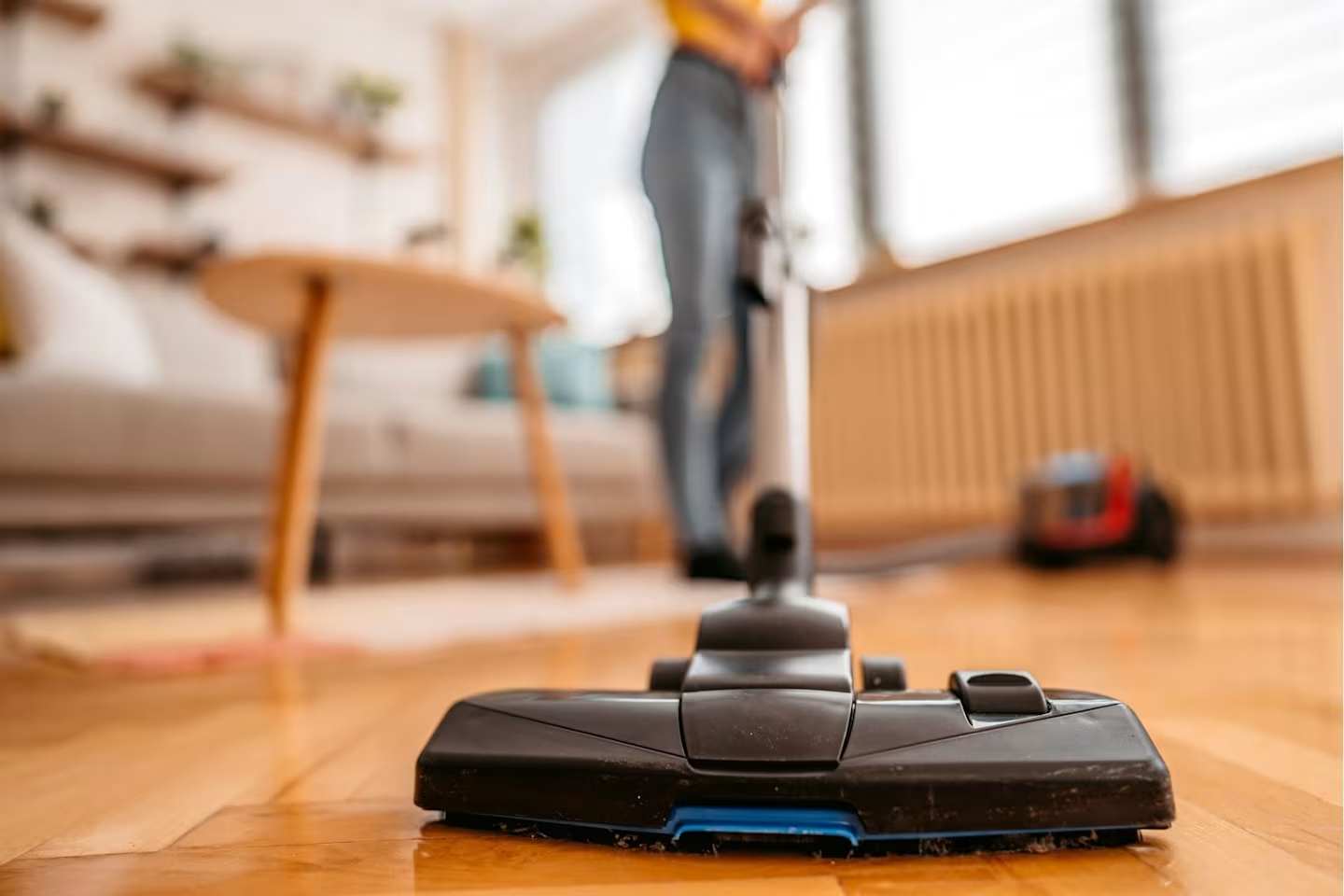
According to the AAP, white noise machines should be placed at least 7 feet (200 centimeters) away from a baby’s sleep space and the volume should be lower than the maximum volume setting — generally no louder than 50 decibels, or the volume of an average vacuum cleaner or hair dryer.
Pros and cons of white noise for babies
While caregivers have used the sound of hair dryers and vacuums to put babies to sleep for decades, an in the Archives of Disease in Childhood was the first to offer some proof that white noise can improve infant sleep.
According to the study, 80 percent of babies fell asleep within 5 minutes of listening to white noise. But again, this was a small study — and it was only done on newborns between 2 - 7 days old.
White noise may also block out excess stimulation and thus, reduce stress levels in babies. But older claims that need more current research.
White noise has the potential to damage a child’s delicate hearing and auditory development if not used appropriately. Another drawback of white noise for babies is dependency on white noise to fall asleep, which could be a problem when traveling or if daycare doesn't use white noise.
4 Tips for how to safely use white noise to soothe your baby
Place white noise machines at least 7 feet (200 centimeters) away from your baby’s sleep space
Set the volume lower than the maximum
Only use white noise to calm your baby down and while sleeping
Follow the manufacturer's directions and safety warnings
Related articles:
Share article:
Note: The content on this site is for informational purposes only and should not replace medical advice from your doctor, pediatrician, or medical professional. If you have questions or concerns, you should contact a medical professional.
Share article:


