24 month old / 2 year old sleep schedule: Bedtime and nap schedule
Updated Nov 30, 2021


Congratulations, your baby is 2! While 2 year olds are known for their tantrums (hello, big feelings), there are SO many things to look forward to. At this age, toddler’s imaginations really flourish, along with their vocabulary, making playtime loads of fun. Speaking of playtime, you may notice your child is beginning to show interest in playing with other children, and gets excited to see friends.
By 24 months, your toddler should also be able to participate in a game of catch, walk up and down stairs while holding onto a rail, and follow simple instructions like, “go put your shoes by the door,” “please eat your apple slices,” and “please tell me exactly what buttons you pressed to permanently turn the TV to Spanish.”
Now that your child is 2, it’s time to update their schedule and ensure you’re prepared to help them through the dreaded 2 year old sleep regression. Read on to learn how much sleep your 24 month old needs, ideal nap and bedtimes, and how to work through common sleep problems.
IN THIS ARTICLE
How much should a 24 month old sleep?
24 month olds need at least 12.5 hours of total sleep per day to be sufficiently rested. Pediatric sleep experts recommend aiming for at least 11 hours of nighttime sleep, and 1.5 - 2.5 hours of daytime sleep.
[Note: for children who were born early, we go by their adjusted age for sleep development.]
Top sleep tip for 24 month olds
If your 2 year old is suddenly struggling with sleep, fighting bedtime, refusing naps, waking up multiple times per night, waking up early, joy of joys, all of the above, you can blame the . Like previous sleep regressions, these pesky disturbances to your child’s usual sleep routine can seem to come out of nowhere and leave you desperate for better sleep.
This regression is linked to developmental advances, teething, fears, separation anxiety, and newfound independence. Thankfully, it is usually short-lived, and lasts just 1 - 3 weeks. During the regression, you may feel like you’re caught in a battle of wills with your toddler. When this happens, it’s important to remain calm and consistent. Keeping in mind that this is just a phase can help you remain committed to the healthy sleep habits you’ve established. Avoid caving to your toddler’s request to sleep in your bed or have you start sitting with them as they fall asleep. Instead, examine each of the factors that may be contributing to your child’s sleep struggles, and tackle them directly.
Sleep fact for 24 month old babies
Although your child may occasionally resist naps or go on an all out nap strike, pediatric sleep experts recommend continuing to offer a daily nap. To encourage your child to fall asleep at naptime, make sure the room is dark and cool, your child isn’t hungry, and you have a consistent naptime routine in place.
Timing is also important! At this age, you may need to experiment with the ideal awake period before a nap. While most toddlers do well with 5.5 hours of awake time between morning wake up and nap, your child may need slightly more or less awake time.
Sample 24 month old sleep schedule
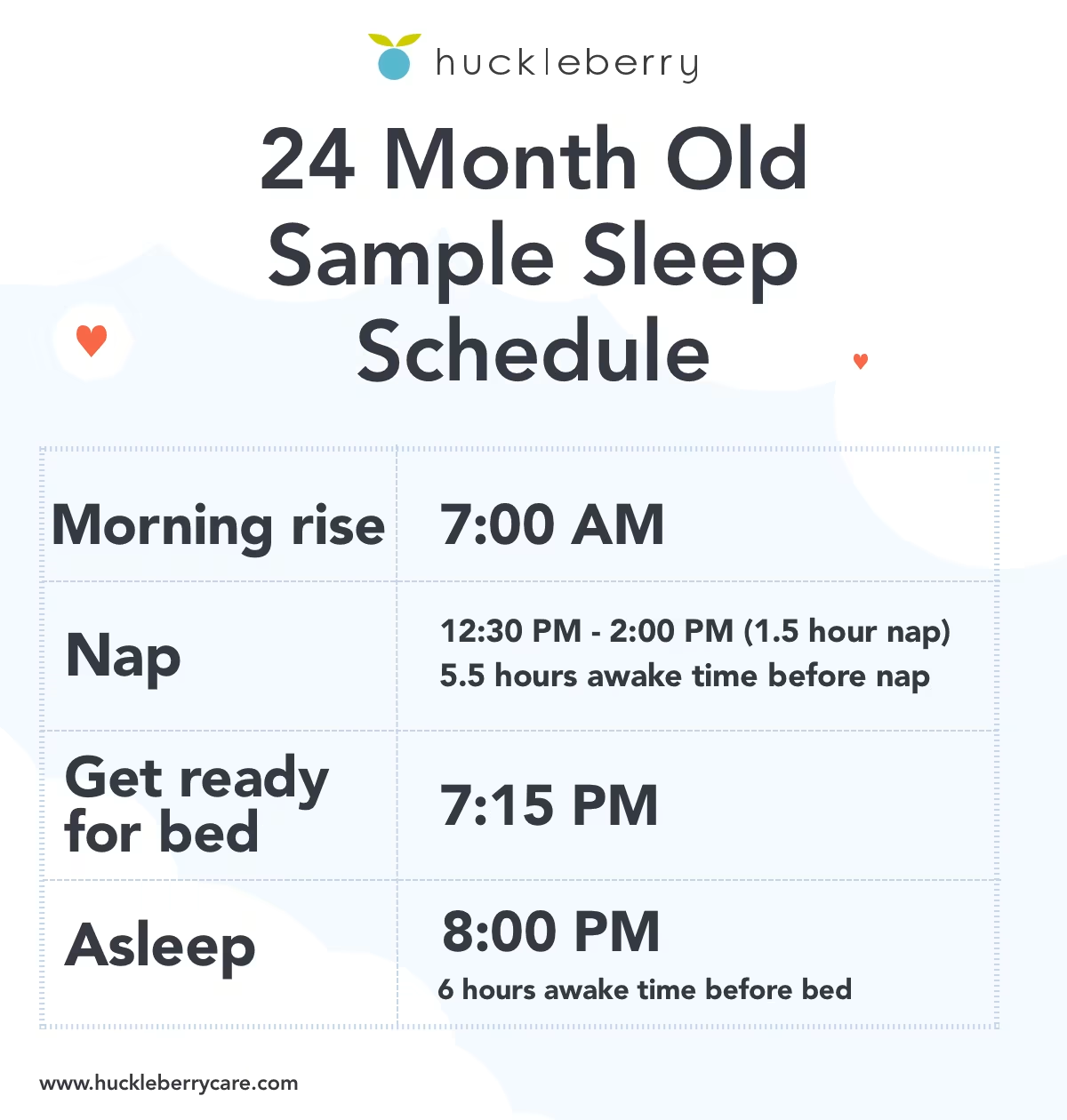
Note: Sleep needs vary by child and this chart should be viewed as an example.
Naptime schedule for a 24 month old
24 month olds should still be napping once a day. At this age, 5.5 hours of awake time before a nap is ideal.
How long should a 24 month old nap?
Total daytime sleep for a 24 month old should be 1.5 - 2 hours on average. Most toddlers need between 5.5 - 6 hours of awake time in between sleep periods at this age.
How many naps for a 24 month old?
24 month olds should be on a 1-nap schedule, with the nap occurring midday.
1-nap schedule
1-nap schedule with short nap/early bedtime

Bedtime for a 24 month old
At this age, it’s very common for toddlers to test boundaries, especially at bedtime! Whether it’s wanting to read “just one more book,” running away and hiding when it’s time to put on pajamas, or throwing a as you put them in their crib, most parents of 2 year olds are no strangers to bedtime battles.
However, if you’re not sure the best way to handle your and tantrums, you’re not alone. Thankfully, the solution is to simply “stick to the plan.” Remaining firm in setting boundaries and sticking to your word is ultimately the response your child desires. When children know what to expect, they feel secure and confident in their caregivers.
What time should a 24 month old go to bed?
By 2 years old, your child’s bedtime should be fairly consistent, although it may fluctuate slightly if your toddler takes a longer or shorter nap than usual. Bedtime for 24 month olds is generally between 6:00 and 8:00 PM, and should be early enough to allow for at least 11 hours of nighttime sleep.
Share article:
Note: The content on this site is for informational purposes only and should not replace medical advice from your doctor, pediatrician, or medical professional. If you have questions or concerns, you should contact a medical professional.
Share article:


