22 month old sleep schedule: Bedtime and nap schedule
Updated Nov 30, 2021


Silly, spunky, and spontaneous are all very fitting descriptions for your 22 month old! At this age, you may notice your toddler trying out new tricks like skipping, kicking a ball, balancing on one foot, or even walking backward. In addition to an explosion in gross motor skills, 22 month olds are also building their vocabulary at an impressive pace.
At this age, many toddlers know at least 100 words and can speak in short sentences. Whether it’s time to get dressed or load up in the car, one phrase you might hear often is, “I do it!” This desire for independence is a natural part of baby development and allows your child to practice problem-solving skills. Ensuring your child is well-rested will help them have the patience and energy to succeed.
Read on to learn just how much sleep your 22 month old needs, and how to overcome common issues like bedtime battles, skipped naps, and night terrors. (Yay!)
IN THIS ARTICLE
How much should a 22 month old sleep?
22 month olds need at least 12.5 hours of total sleep per day to be sufficiently rested. Pediatric sleep experts recommend aiming for at least 11 hours of nighttime sleep, and 1.5 - 2.5 hours of daytime sleep.
[Note: for children who were born early, we go by their adjusted age for sleep development.]
Top sleep tip for 22 month olds
Some 22 month olds may occasionally experience nightmares or night terrors. There are a few key differences between the two: Nightmares usually occur more than 3 hours after your child has fallen asleep, and are often triggered by fears your child may have about things like monsters, the dark, or thunderstorms. Night terrors happen earlier in the night, usually 1 - 2 hours after falling asleep, and occur when a child doesn’t make the transition between sleep stages properly.
When children experience a nightmare, they may whimper in their sleep, or cry out softly. Children experiencing a nightmare can be woken up and are easily consoled. During a night terror, your child may shout or thrash in their sleep. Although it’s terrifying to witness a night terror, there’s no need to wake them. In the morning, your child will have no memory of the night terror, whereas they’re usually able to recall bad dreams.
Night terrors are linked to poor sleep habits and are often triggered by not getting enough sleep, or staying awake too long before sleeping (overtiredness). In this case, it’s important to evaluate your child’s sleep schedule and make adjustments, like encouraging a daily nap and moving bedtime earlier.
If nightmares are the problem, it can help to talk to your child about their fears and come up with creative ways to help them overcome them. For example, if your child is afraid of monsters, you might have them help you spritz their bedroom with “monster spray” (water) before bed. At this age, some toddlers may also prefer to sleep with a nightlight, or with their door open.
Sleep fact for 22 month old babies
At 22 months, your child cycles through two types of sleep throughout the night, light (REM), and deep sleep, with each sleep cycle usually lasting 45 - 60 minutes. With such short sleep cycles, it’s important that your child knows how to make the transition between sleep cycles.
Between sleep cycles your child may enter a very light sleep, or wake up briefly before falling back asleep. Toddlers who are able to fall asleep independently at bedtime and are well-rested typically manage these transitions easily, and don’t wake up . Children spend approximately 25% of the night in light (REM) sleep, the stage where dreaming occurs. The remaining 75% of nighttime sleep is spent in deep sleep. During deep sleep, essential hormones for growth and development are released, energy is restored, and blood supply to muscles is increased.
Sample 22 month old sleep schedule
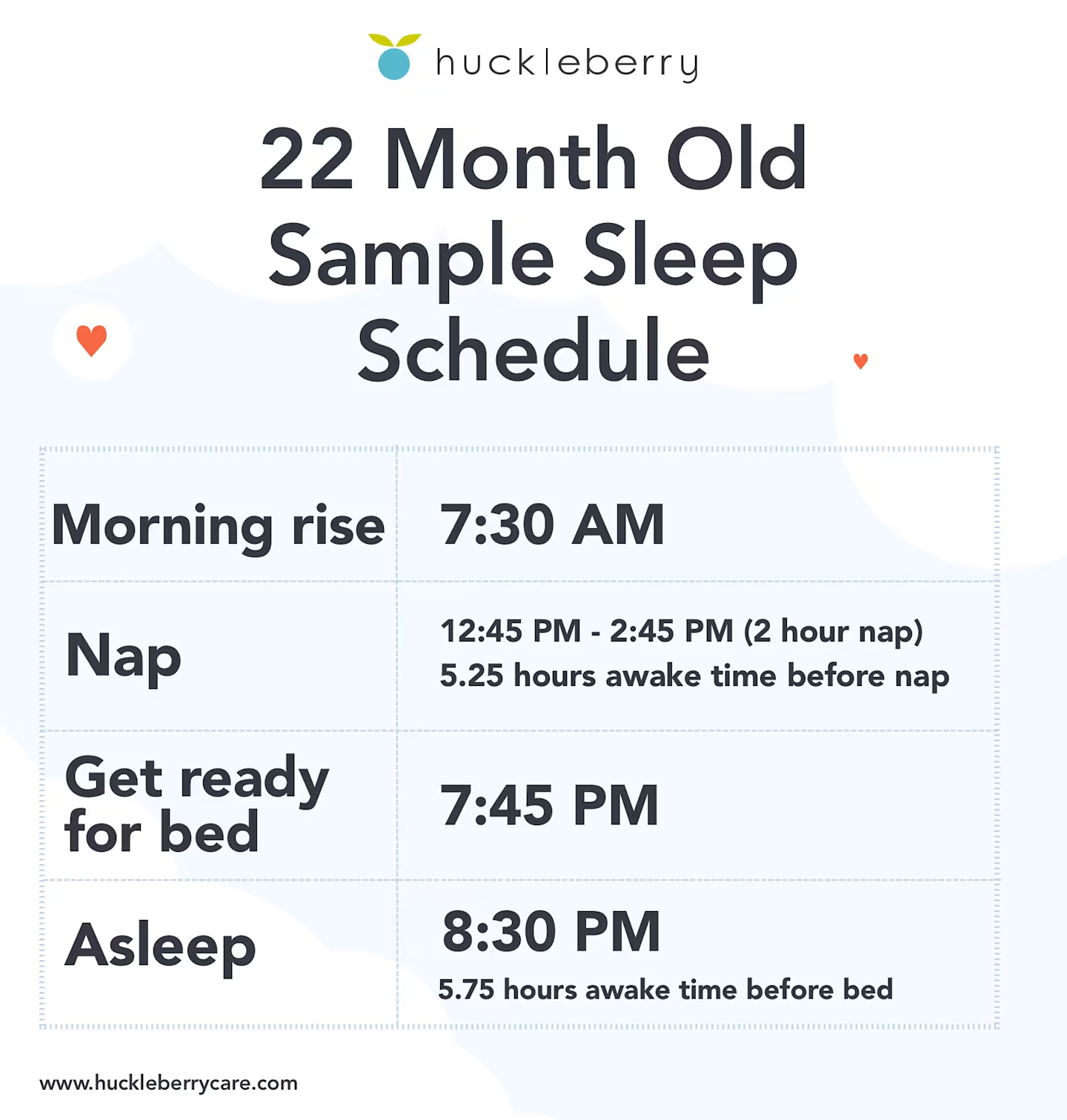
Note: Sleep needs vary by child and this chart should be viewed as an example.
Naptime schedule for a 22 month old
22 month olds should still be napping once a day. At this age, 5.25 hours of awake time before nap is ideal.
How long should a 22 month old nap?
Total daytime sleep should be 1.5 - 2.5 hours on average. If your child is fighting naptime, continue offering them quiet time in their crib or sleep space every day. At its best, it’s giving them time to rest and recharge, and hopefully they manage to fall asleep. At its worst, it’s good for them to develop their independent play habits, and can provide a much-needed break for you!
How many naps for a 22 month old?
22 month olds should be on a 1-nap schedule with the nap occurring midday.
1-nap schedule
1-nap schedule with short nap/early bedtime
Bedtime for a 22 month old
After a busy day spent playing and learning, it’s important that your toddler has time to relax and unwind before bed. About an hour before bed you can help your child know sleep is on the horizon by dimming the lights, putting away stimulating toys, and turning off screens.
A nightly bath can also help prepare your child for sleep. According to pediatric sleep experts, a warm bath in the hour before bed increases blood flow, aiding the circadian process and helping toddlers fall asleep faster and stay asleep longer - we’d call that a win. After bath, lead your child through a consistent bedtime routine ending with them in bed awake.
What time should a 22 month old go to bed?
Bedtime for your 22 month old should be early enough to allow for at least 11 hours of sleep overnight. At this age, toddlers need approximately 5.75 hours of awake time between nap and bedtime, with most 22 months going to sleep between 6:00 and 8:00 PM.
Share article:
Note: The content on this site is for informational purposes only and should not replace medical advice from your doctor, pediatrician, or medical professional. If you have questions or concerns, you should contact a medical professional.
Share article:


