21 month old sleep schedule: Bedtime and nap schedule
Updated Feb 01, 2022


By 21 months, your toddler likely has quite the vocabulary! At this age, many toddlers know at least 50 words and are able to put two words together to form short phrases. Toddlers in this age group also have lots of energy and seem to be constantly moving. With so much activity and language development occurring, it’s important for your child (and you!) to have some downtime during the day to rest and recharge. Well-timed naps can also cut down on and eliminate overtiredness at bedtime.
Curious just how much sleep your 21 month old needs, and what an ideal schedule looks like at this age? Read on to learn more about your child’s sleep needs, including recommended naptime and bedtime for 21 month olds.
IN THIS ARTICLE
How much should a 21 month old sleep?
21 month olds need at least 12.5 hours of total sleep per day to be sufficiently rested. Pediatric sleep experts recommend aiming for at least 11 hours of nighttime sleep, and 1.5 - 2.5 hours of daytime sleep.
[Note: for children who were born early, we go by their adjusted age for sleep development.]
Top sleep tip for 21 month olds
Around 21 months old, many toddlers will gain another set of molars. Due to their size and the additional time they take to come through the gums, emerging molars can be more painful for children than other baby teeth.
During this time, it’s not uncommon for toddlers to need more comforting, especially at night. To reduce pain and inflammation caused by , consider feeding your child frozen treats such as blueberries, yogurt popsicles, or homemade milk popsicles before bed. If your child seems especially uncomfortable as the molars emerge, check with your pediatrician before using any over the counter teething remedies or pain medication.
Although it can be tempting to fall back on old habits when your child isn’t feeling well—especially when it involves snuggles from your newly independent baby—be careful to stick to those strong sleep habits you worked hard for. Sare some extra cuddles and stories before bedtime, but stick to having your child fall asleep (and back to sleep if they experience a night waking) on their own at sleep times.
Sleep fact for 21 month old babies
Although your toddler may not show obvious signs of needing a nap, it’s still important to keep to your nap schedule. Skipped naps are the leading cause of tantrums and can make for difficult evenings. Overtired toddlers may also have difficulty staying awake at dinner, or be too cranky to eat well, causing them to wake up in the night, and keep that cycle going.
A well-timed nap ensures your child has adequate time to rest after a busy morning, and will help you make it to an age-appropriate bedtime.
Sample 21 month old sleep schedule
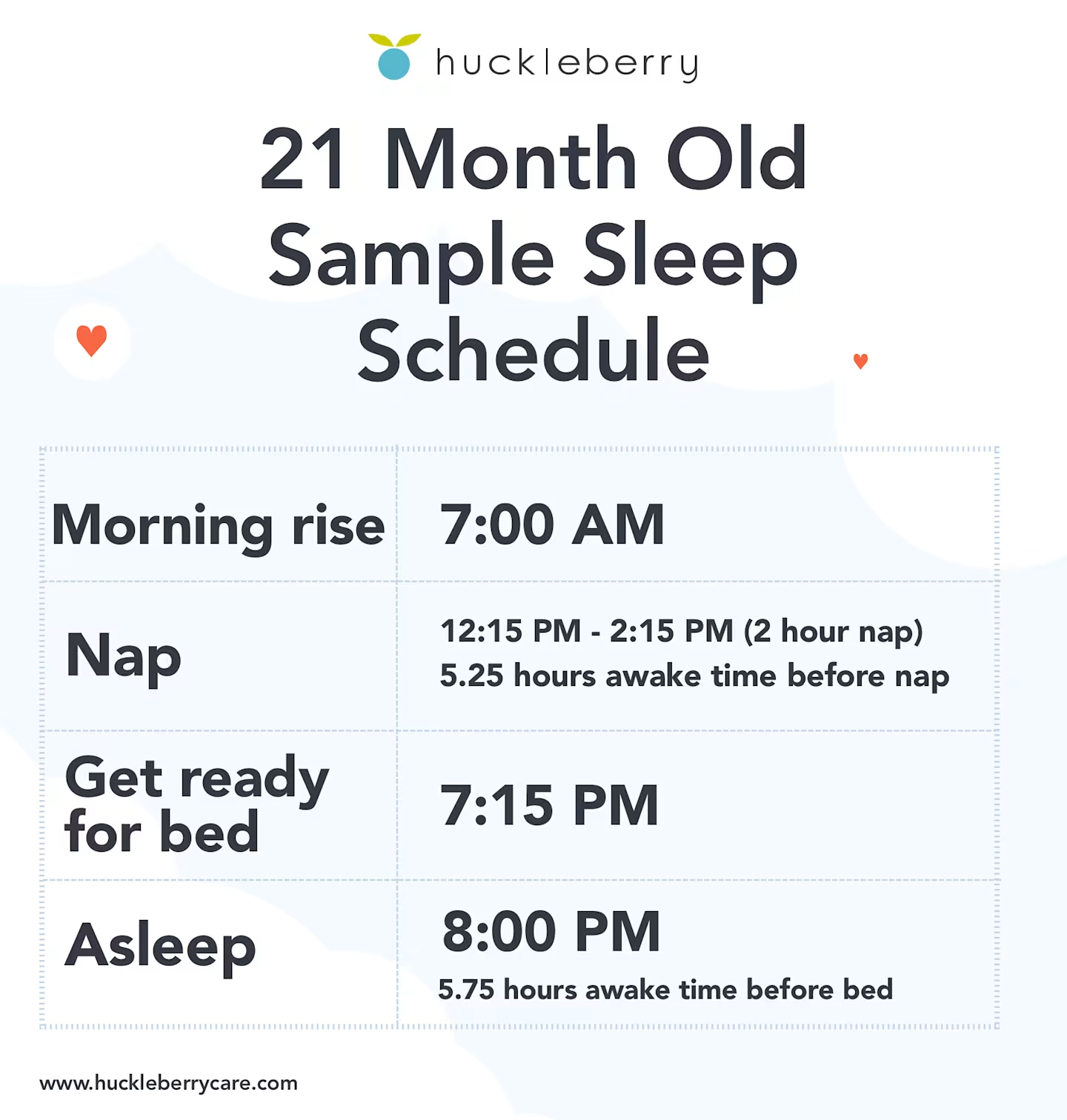
Note: Sleep needs vary by child and this chart should be viewed as an example.
Naptime schedule for a 21 month old
21 month olds should nap once per day. At this age, we like to see about 5.25 hours of awake time before the nap.
How long should a 21 month old nap?
Total daytime sleep for a toddler should be 1.5 - 2.5 hours for 21 month olds.
How many naps for a 21 month old?
You can expect your toddler to need 1 nap, usually around 1.5 - 2.5 hours. If they’re consistently fighting their nap, keep encouraging that downtime in their crib for them. Even resting quietly can help them recharge, and sometimes they’ll surprise you by suddenly falling asleep, just as you think they’re going to avoid nap entirely.
1-nap schedule
1-nap schedule with short nap/early bedtime
Bedtime for a 21 month old
Although toddlers love their independence, they thrive on routine. Having a consistent bedtime routine helps your child know what to expect, and helps them feel confident and in control. The average bedtime routine at this age is typically 30 - 45 minutes long.
A typical routine consists of a bath, brushing teeth, putting on pajamas, saying goodnight to everyone, reading a book or two, and singing lullabies. When planning bedtime, work backward from your child needing time to fall asleep (about 10 - 20 minutes), plus time for the routine itself. For independent toddlers, add in extra time for the tasks they like to do themselves that inevitably take twice as long.
If it’s taking longer than 10 - 20 minutes for your child to fall asleep, consider adjusting the awake period before bed. Other reasons it may be taking your toddler a long time to fall asleep include evening sugar intake, light entering the room, or distractions such as toys in the crib.
What time should a 21 month old go to bed?
21 month olds need at least 11 hours of sleep per night to support the brain’s executive function, and ensure proper baby development. For many families, this means bedtime is between 6:00 - 8:00 PM.
Share article:
Note: The content on this site is for informational purposes only and should not replace medical advice from your doctor, pediatrician, or medical professional. If you have questions or concerns, you should contact a medical professional.
Share article:


